 DMV Hearing and License Suspension DMV Hearing and License Suspension
|
|||||||||||||
|
|||||||||||||
 |
 |
 |
|||||||||||
Sobriety CheckpointsCalifornia law enforcement officers, including members of the California Highway Patrol (CHP), local police officers, or sheriff's deputies use sobriety checkpoints - temporary roadblocks on public streets or roadways to identify and apprehend drunk drivers. Sobriety checkpoints or roadblocks involve law enforcement officials stopping every vehicle on a public roadway and investigating the possibility that the driver may have consumed alcoholic beverages and be too impaired to drive. They are often set up late at night or in the very early morning hours on weekends, when the number of impaired drivers tends to be the highest.
San Francisco Bay Area DUI defense lawyers at the Law Office of Robert Tayac are well-versed in the legal requirements of sobriety checkpoints and can determine whether a DUI arrest made at a sobriety checkpoint was lawful. The landmark U.S. Supreme Court case of Michigan Department of State Police vs. Sitz established many of the guidelines that now govern police in establishing sobriety checkpoints. If those guidelines aren't followed, any evidence gathered may be suppressed. Police must use a neutral mathematical formula to select vehicles, to avoid giving officers discretion in deciding who to stop. Checkpoints must be maintained safely for both police and motorists, have high visibility, and minimize the average time each motorist is detained. The Supreme Court has ruled that the primary purpose of a sobriety check point is to promote public safety by deterring impaired drivers from operating a motor vehicle, not to discover evidence of crime or to make arrests of drunk drivers. Thus, a sobriety checkpoint roadblock serves a regulatory purpose and is not considered a criminal investigation roadblock, so no warrants are required. The court also held that a vehicle stopped at a roadblock constitutes a seizure within the meaning of the Fourth Amendment. A Fourth Amendment seizure occurs "when there is a governmental termination of freedom of movement through means intentionally applied." Not all roadblocks violate drivers' Fourth Amendment rights against unreasonable search and seizures, however. The central legal issue is reasonableness. Courts apply a balancing test which weighs the government's interests against the intrusiveness of the detention on the individual in determining whether a Fourth Amendment violation has occurred. An experienced Northern California DUI lawyer can evaluate every aspect of a sobriety checkpoint to determine whether police followed the required guidelines. If the checkpoint was not properly operated, an experienced DUI attorney should challenge the stop by filing a Motion to Suppress the evidence, argue that any evidence gathered during the stop was improperly obtained, and should be suppressed. Home > DUI Investigation > Sobriety Checkpoints |
|||||||||||||
    |
|||||||||||||
|
|||||||||||||
| Home | Bay Area DUI | DMV Hearing | DUI Investigation | About Our Firm | Contact Us | |||||||||||||
|
|||||||||||||
| © The Law Office of Robert Tayac :: All Rights Reserved :: Toll-Free Phone: (800) 901-1888 :: Site Map 600 Montgomery Street, Suite 210 :: San Francisco, California 94111 |
|||||||||||||
















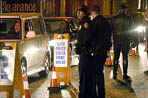 Using a portable and quick alcohol breath test, the police can screen and test drivers, and process the cars one by one as if on a conveyor belt. When there is no quick alcohol test is available, a more complicated routine is necessary. If the law enforcement officer suspects the driver to be impaired, the stopped driver is required to get out of their car and take a